If you have ever watched a dragonfly skim over a pond on a warm afternoon, you probably noticed how graceful it looks. What is less obvious at first glance is that dragonflies are not just beautiful insects. They are highly efficient predators.
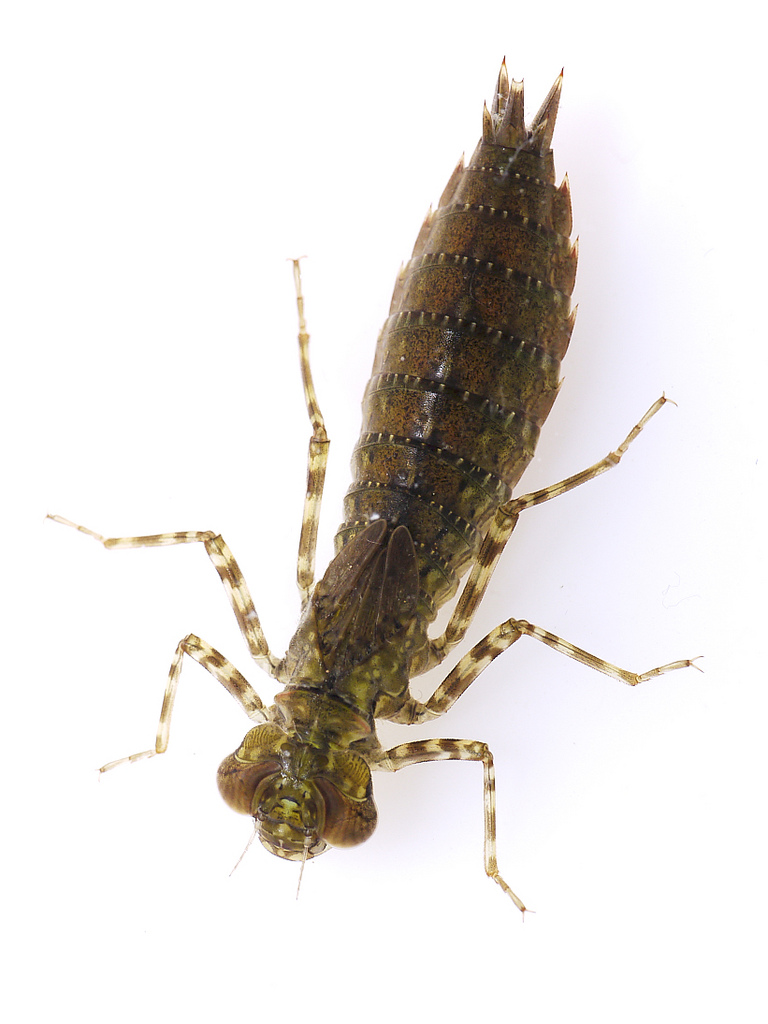
So, what do dragonflies eat?
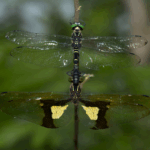
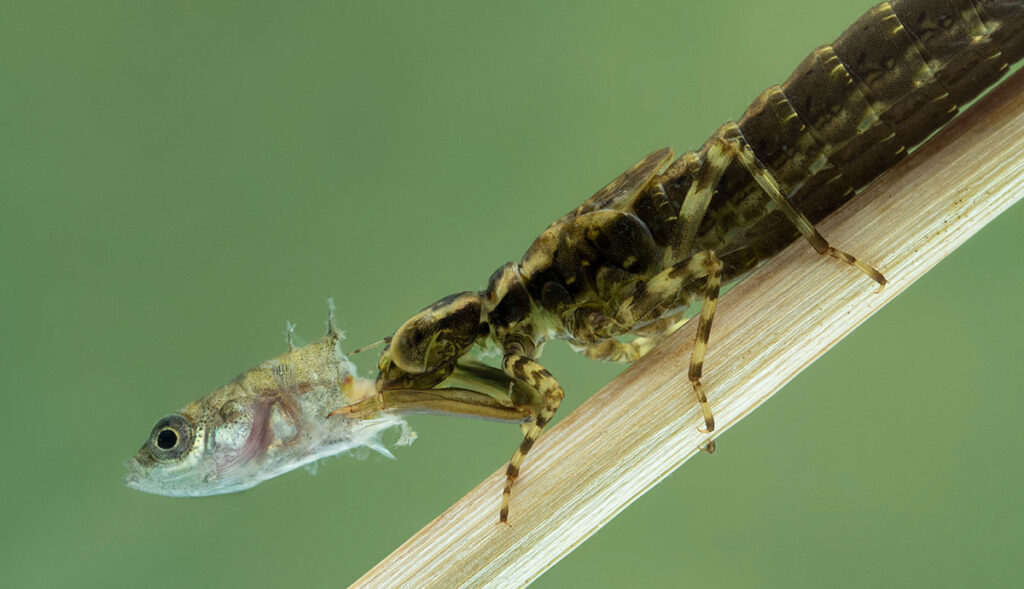
In simple terms, dragonflies are carnivores. As adults, they feed mainly on small flying insects such as mosquitoes, flies, gnats, midges, moths, and sometimes even butterflies, bees, or smaller dragonflies. Before they ever take flight, though, they spend much of their lives underwater as nymphs, where they prey on mosquito larvae, aquatic insects, tadpoles, and occasionally even tiny fish.
That double life makes dragonflies especially fascinating. They hunt in water when they are young and in the air when they are grown, and at both stages, they are remarkably good at it.
What Do Dragonflies Eat as Adults?
Adult dragonflies mostly eat other insects they catch on the wing. Their favorite prey tends to be whatever is abundant, small enough to handle, and easy to intercept in flight.
Common foods in an adult dragonfly’s diet include:
- Mosquitoes
- Midges and gnats
- Small flies
- Moths
- Mayflies
- Aphids
- Tiny beetles
- Small bees or wasps
- Butterflies
- Other dragonflies and damselflies
Mosquitoes are often the first insect people associate with dragonflies, and for good reason. Many species feed heavily on them, especially around wetlands, ponds, and garden water features. That is one reason dragonflies are often considered beneficial insects.
Larger dragonflies can tackle larger prey, while smaller species usually stick to tiny flies, mosquitoes, and similar insects. Their diet changes with habitat, season, and what is readily available.
What Do Dragonfly Nymphs Eat?
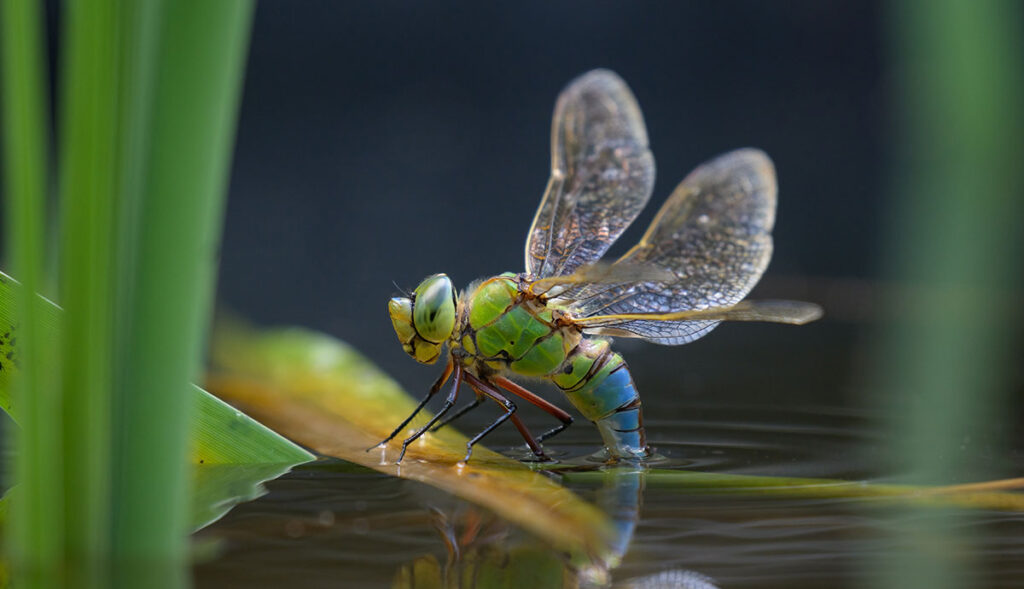
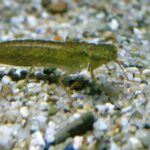
Long before they become the colorful adults we notice above ponds and streams, dragonflies live underwater as nymphs. This stage lasts far longer than their adult life and is where much of their growth happens.
Dragonfly nymphs eat:
- Mosquito larvae
- Mayfly and caddisfly larvae
- Small aquatic invertebrates
- Worms
- Tiny crustaceans
- Tadpoles
- Small fish
Nymphs are ambush predators. They hide among plants, mud, and submerged debris, then strike when prey gets close. What makes them especially impressive is their extendable lower jaw, called the labium, which shoots outward to grab prey in a split second.
It is a little unsettling when you first learn about it, but it is also part of what makes dragonflies such successful hunters from the very beginning of life.
Why Are Dragonflies Such Good Hunters?
One reason people keep asking what do dragonflies eat is that dragonflies seem almost too good at hunting. They do not just catch insects occasionally. They catch them with astonishing consistency.
Some studies have found hunting success rates of up to 95 to 97 percent, which puts dragonflies among the most effective predators in the animal world.
That success comes down to a few built-in advantages.
Exceptional Vision
Dragonflies rely heavily on sight. They do not hear the way we do, and their sense of smell is limited, so vision does most of the work.
Their huge compound eyes dominate most of the head and can contain up to about 30,000 individual lenses per eye. This gives them near-360-degree vision and makes it easier to detect movement from almost any direction.
They are also able to process visual information extremely quickly, helping them lock onto a moving target and keep tracking it even in a busy swarm.
Fast, Agile Flight
Dragonflies are masters of aerial control. They can hover, dart, turn suddenly, fly backward, and change direction almost instantly. Each of their four wings can be controlled independently, giving them a level of maneuverability that still inspires engineers studying flight.
That matters because catching prey in midair is not just about speed. It is about timing, angle, and precision.
Predictive Hunting
Dragonflies do not simply chase after where prey is. They predict where it is going to be.
In other words, they intercept. Much like a person catching a ball without consciously doing physics in their head, a dragonfly seems able to judge speed, direction, and distance all at once, then arrive at exactly the right point.
Basket-Like Legs
When dragonflies close in on prey, they use their legs like a net. Their spiny legs sweep forward and upward, trapping the insect in flight. Smaller prey may be taken directly by the mouth, while larger prey is usually secured first with the legs.
Do Dragonflies Eat Mosquitoes?
Yes, absolutely. Dragonflies do eat mosquitoes, and often in large numbers.
That is one reason they are welcomed in many gardens, especially near ponds and damp areas where mosquitoes breed. Adult dragonflies catch flying mosquitoes, while nymphs feed on mosquito larvae underwater. Together, that means dragonflies can help reduce mosquito numbers at two different life stages.
They are not a complete solution to mosquito problems, of course, but they are an important natural predator.
Do Dragonflies Eat Plants?
No. Dragonflies are strictly carnivorous.
They do not nibble leaves, feed on nectar, or chew on flowers. Every stage of their life is built around predation. Even as aquatic juveniles, they feed on living prey rather than plant matter.
So if you were wondering what do dragonflies eat in a garden, the answer is not your plants. They are there for the insects.
How Do Dragonflies Eat Their Prey?
Dragonflies are not delicate eaters.
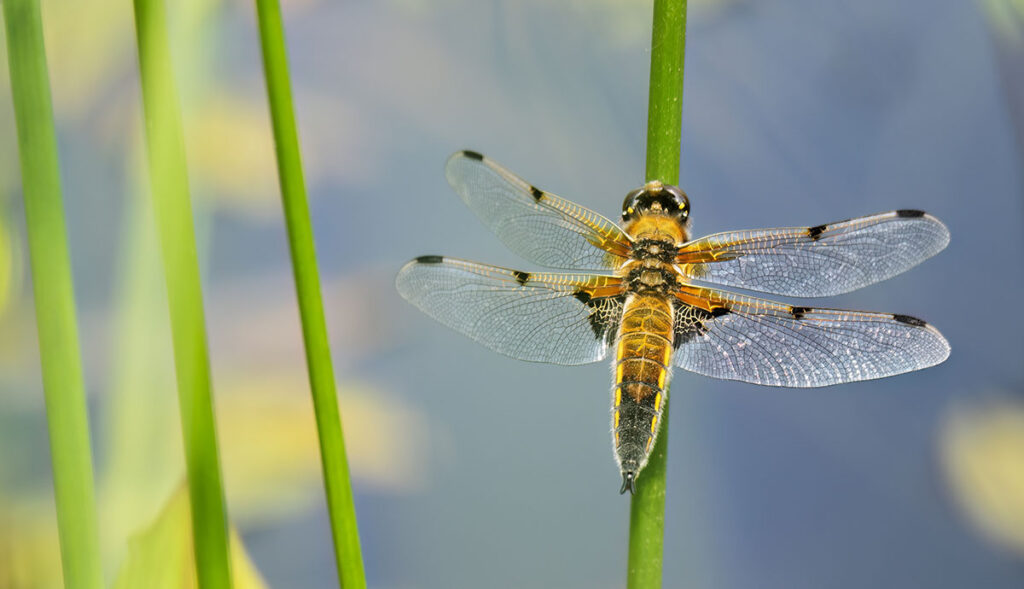
Once prey is caught, they use strong jaws called mandibles to bite and tear it apart. In many cases, they begin eating while still perched or even while flying. Larger prey may have its wings shredded first so it cannot escape.
This fierce feeding style helps explain why dragonflies belong to the order Odonata, a name linked to the Greek word for “tooth.” Their jaws are sharp, powerful, and made for meat.
Despite that, dragonflies are not aggressive toward people.
Do Dragonflies Bite Humans?
They can, but usually only if they are handled roughly or feel trapped.
A large dragonfly has strong enough jaws to give a noticeable pinch and, in rare cases, break skin. Still, they do not seek people out and they do not sting. The pointed end of the abdomen may look intimidating, but it is not a stinger.
For most people, dragonflies are harmless visitors that are far more interested in catching insects than interacting with humans.
What Do Dragonflies Eat in Different Habitats?
The answer depends a lot on where they live.
Near Ponds and Wetlands
In these habitats, dragonflies often feed on mosquitoes, midges, mayflies, and other insects associated with freshwater. Nymphs below the surface hunt larvae, tadpoles, and small aquatic animals.
In Gardens
Garden dragonflies usually go after small flying insects, including mosquitoes, gnats, flies, and sometimes pest species that gather near flowers, compost, or standing water.
In Fields and Woodland Edges
Away from water, adult dragonflies become more opportunistic. They will hunt whatever flying insects are abundant, from tiny flies to moths and small butterflies.
Why Dragonflies Matter in the Ecosystem
When people ask what do dragonflies eat, they are often really asking something bigger: why do dragonflies matter?
They matter because they help keep ecosystems balanced.
As nymphs, they regulate populations of aquatic invertebrates and other small freshwater animals. As adults, they reduce numbers of flying insects, including pests like mosquitoes. At the same time, dragonflies themselves become food for birds, frogs, fish, and other wildlife.
They connect aquatic and terrestrial food webs in a way that few insects do.
That is also why healthy wetlands are so important. If ponds, marshes, and slow-moving freshwater habitats disappear or become polluted, dragonflies lose the places they need to breed and develop.
Can You Attract Dragonflies to Your Garden?
Yes, and the best way is to make your space more inviting to them.
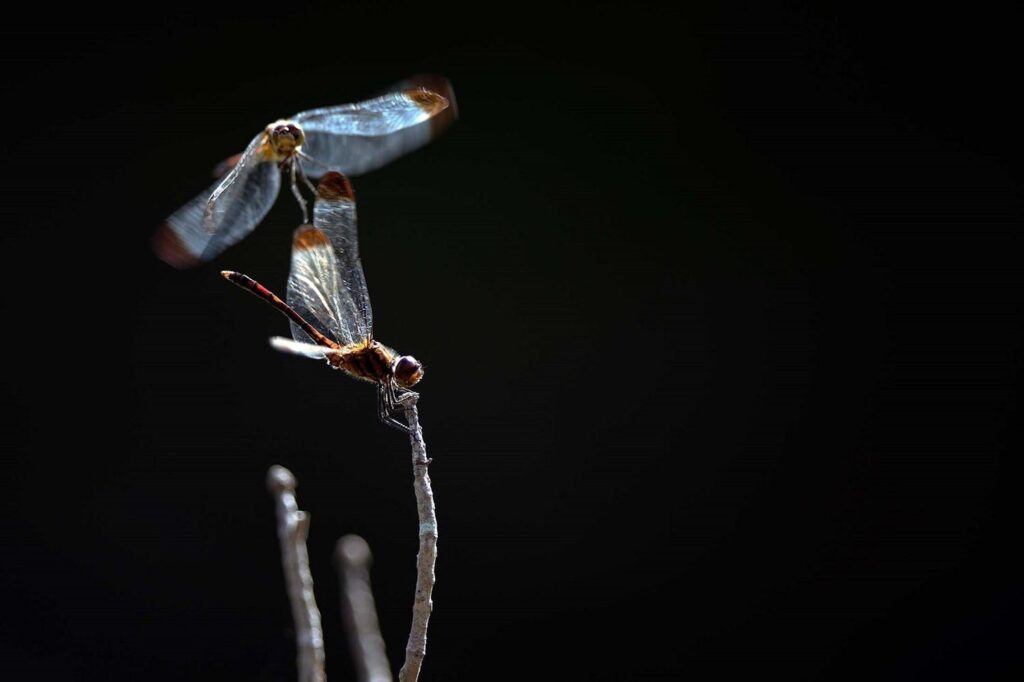
Dragonflies are most attracted to gardens with:
- A pond or small water feature
- Aquatic plants
- Emergent stems for perching
- A mix of sunlight and shade
- Clean water without pesticides
If you want dragonflies to stay, avoid adding fish to a wildlife pond, since fish often eat dragonfly nymphs. Even a mini pond in a container can help if space is limited.
A dragonfly-friendly garden will often support other wildlife too, including frogs, birds, and beneficial insects.
Final Thoughts
So, what do dragonflies eat?
They eat other animals, plain and simple. Adult dragonflies hunt flying insects like mosquitoes, gnats, flies, and moths, while dragonfly nymphs prey on aquatic larvae, tadpoles, worms, and even small fish. At every stage, they are skilled, efficient, and surprisingly fierce predators.
That may make them sound a little intimidating, but it is also what makes them so valuable. Dragonflies help control pest insects, support healthy ecosystems, and bring life and movement to ponds, streams, and gardens.
The next time you spot one hovering over water or resting on a reed, it is worth remembering that you are looking at one of nature’s most accomplished hunters.
FAQ
What do dragonflies eat the most?
Adult dragonflies most commonly eat small flying insects, especially mosquitoes, midges, gnats, and flies. The exact diet depends on the species and habitat.
Do dragonflies eat mosquitoes?
Yes. Dragonflies eat mosquitoes as both adults and nymphs. Adults catch flying mosquitoes, while nymphs may feed on mosquito larvae in the water.
What do baby dragonflies eat?
Baby dragonflies, or nymphs, eat aquatic prey such as mosquito larvae, small insect larvae, worms, tadpoles, and sometimes tiny fish.
Do dragonflies eat bees or butterflies?
Some larger dragonflies do. While smaller species focus on tiny insects, large dragonflies may catch bees, butterflies, and even other dragonflies.
Do dragonflies eat plants or nectar?
No. Dragonflies are carnivorous and do not feed on plants, pollen, or nectar.
Are dragonflies good for the garden?
Yes. Dragonflies are beneficial because they help control mosquitoes and other small pest insects. A wildlife-friendly pond can attract them naturally.
Do dragonflies bite?
They can bite if handled, but they rarely do. Dragonflies are not aggressive toward people and they do not sting.