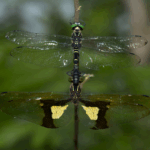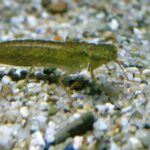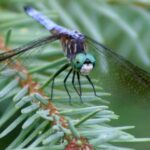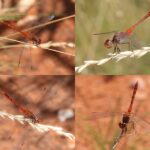
Dragonflies thrive insunny, freshwater habitats, including ponds, lakes, marshes, streams, and wetlands. They require aquatic, vertical, and bankside vegetation for larval, resting, and hunting sites. A healthy dragonfly habitat requires clean water and is free of pesticides, allowing both nymphs and adults to thrive.
Summer is a good time of the year for dragonfly spotting. Some species fly year round, but it’s during the warmer months that every body of water seems to have its share of these aerial hunters.
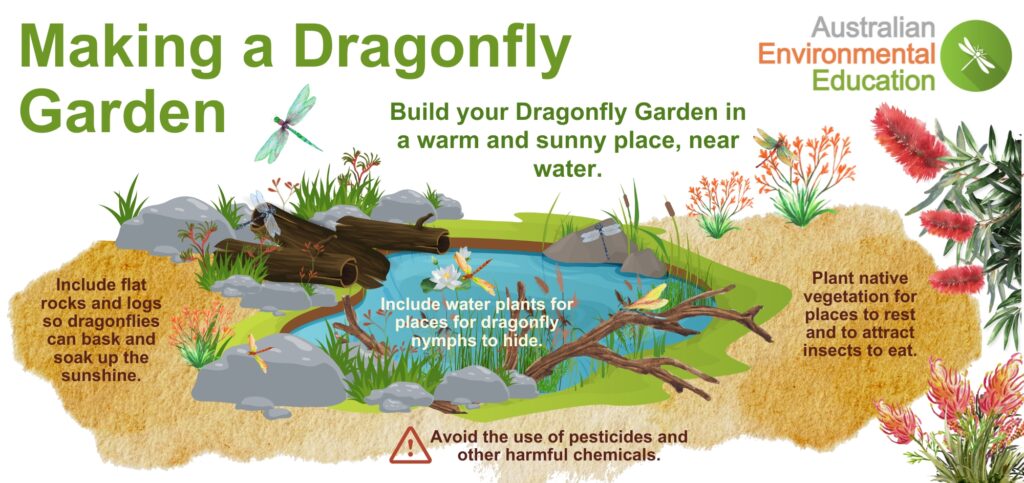
Of course, we were looking in the right kinds of places to find them.
near water
This is not the only place to see dragonflies and damselflies. The adults, and particularly the females, fly away from water to hunt and only return to creeks and lakes for breeding. Males, however, tend to hang about near water, staking out territories and waiting for females to arrive.
different types of water
Different species favour different water bodies. Their larvae are variously adapted for still, sluggish or fast-flowing water. Some species are quite opportunistic, while others have very particular requirements.
Habitat 1: the pond
Habitat 2: a beachside lagoon
Habitat 3: A fast-flowing stream
Harmony Between Dragonflies and Family Farms: Nature’s Pest Control
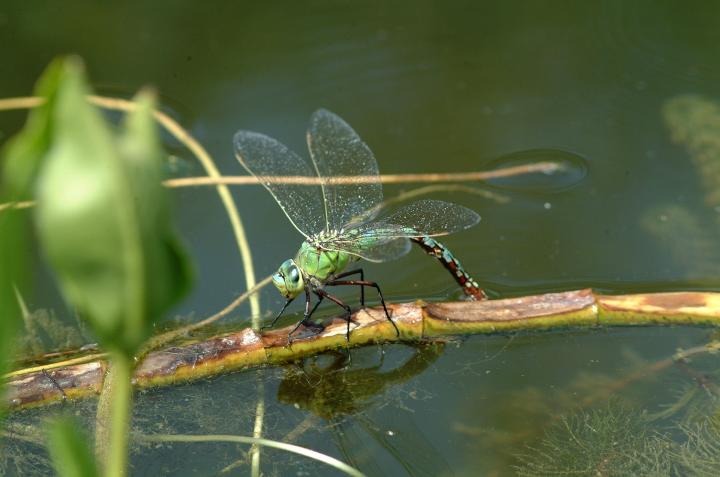
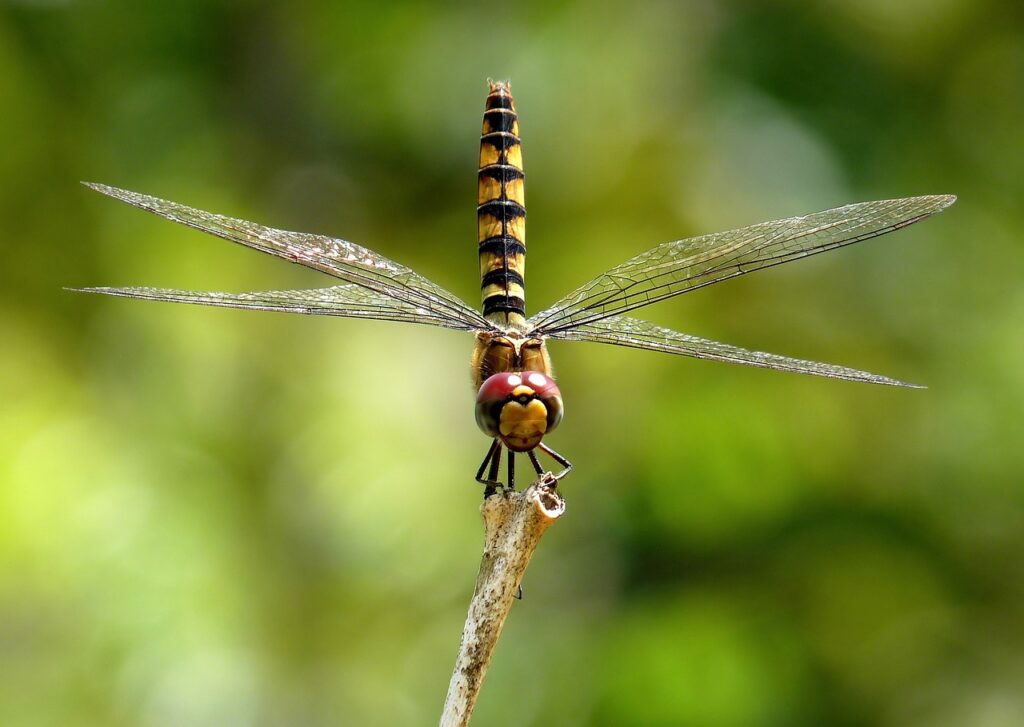
Spend a summer afternoon near a pond or lake, and you’re almost certain to notice dragonflies darting through the air. With their iridescent colors and acrobatic flight, they create a mesmerizing display as they hunt. Their prey includes a wide range of day-flying insects—especially pests like flies, mosquitoes, and gnats—making them highly beneficial to both people and animals.
However, dragonfly populations are declining due to habitat loss and chemical exposure. In response, many organic farmers are working to protect natural ecosystems, helping these remarkable insects survive and thrive.
On organic farms, every species plays a role. By avoiding synthetic pesticides and fertilizers, farmers create safe environments for beneficial insects like dragonflies. In return, dragonflies provide natural pest control, reducing harmful insect populations. This balance reflects a broader commitment to sustainable agriculture, supporting the health of the land, animals, and people.
Why Are Dragonflies Important?
As predatory insects, dragonflies offer a unique advantage: they eliminate pests without posing any threat to humans—they neither bite nor sting.
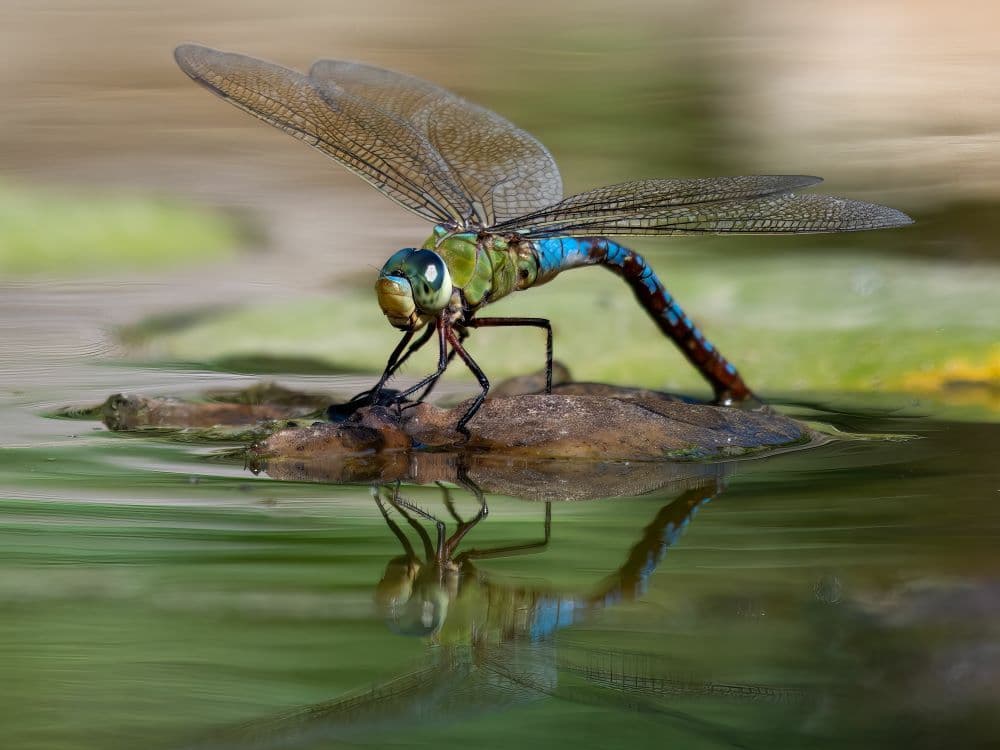
Their hunting ability is extraordinary. With four independently controlled wings, dragonflies can fly in any direction at speeds of up to 30 mph. Their large compound eyes, containing up to 30,000 lenses, provide nearly 360-degree vision and allow them to detect both color and infrared light. These adaptations make them incredibly efficient hunters, with a success rate of up to 95%.
Dragonflies are especially valuable for mosquito control. As aquatic nymphs, they feed on mosquito larvae, and as adults, a single dragonfly can consume dozens to hundreds of mosquitoes per day.
This natural pest control also improves livestock health. Insects like stable flies, biting midges (no-see-ums), and mosquitoes can stress animals and spread disease. By reducing these pests, dragonflies help create a more comfortable environment for farm animals.
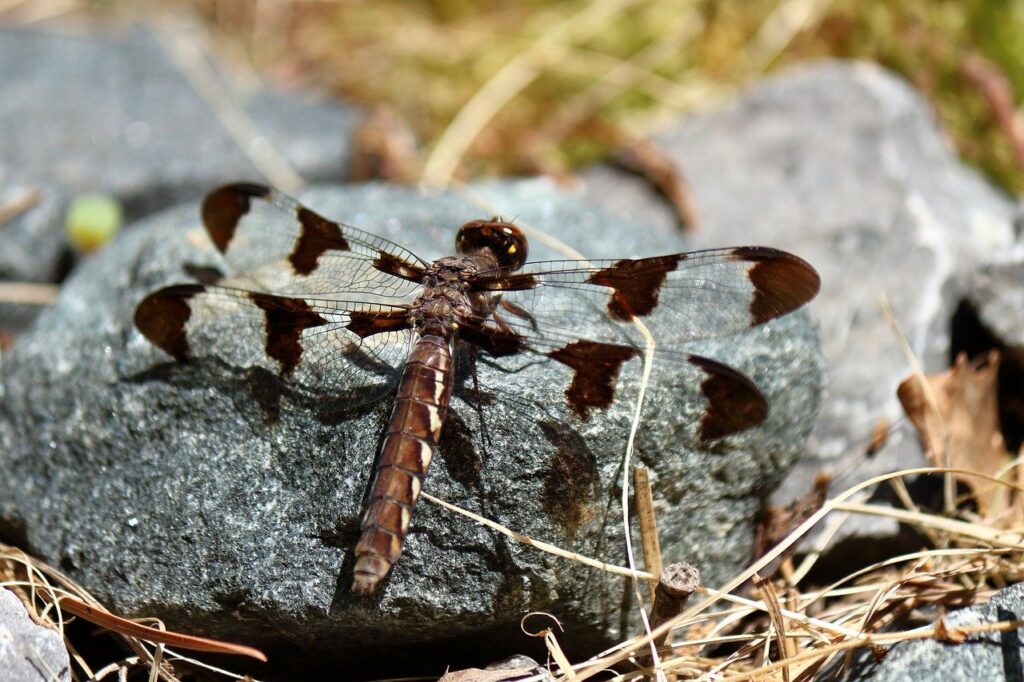
Because they primarily target flying insects, dragonflies are a powerful ally for farmers. Many organic farmers report noticeable improvements in animal comfort and overall farm conditions when dragonflies are present.
In addition, dragonflies are an important part of the food web. They serve as prey for birds, frogs, snakes, and spiders. They are also considered an indicator species, meaning their presence signals a healthy ecosystem—particularly clean water quality.
Why Are Dragonflies Usually Near Water?
Dragonflies are closely tied to freshwater habitats because they spend most of their lives as aquatic nymphs.
Adult dragonflies lay their eggs in or near water. Once hatched, the nymphs live underwater for several months to up to three years, feeding on mosquito larvae, small fish, worms, and tadpoles. When they mature, they emerge from the water, expand their wings, and transform into the agile fliers we recognize.
This life cycle explains why dragonflies are most commonly found near ponds, lakes, rivers, and wetlands.
What Kind of Habitat Do Dragonflies Need?
To thrive, dragonflies require clean, freshwater environments. Suitable habitats include backyard ponds, streams, rivers, and especially still waters like lakes and wetlands, where they are most abundant.
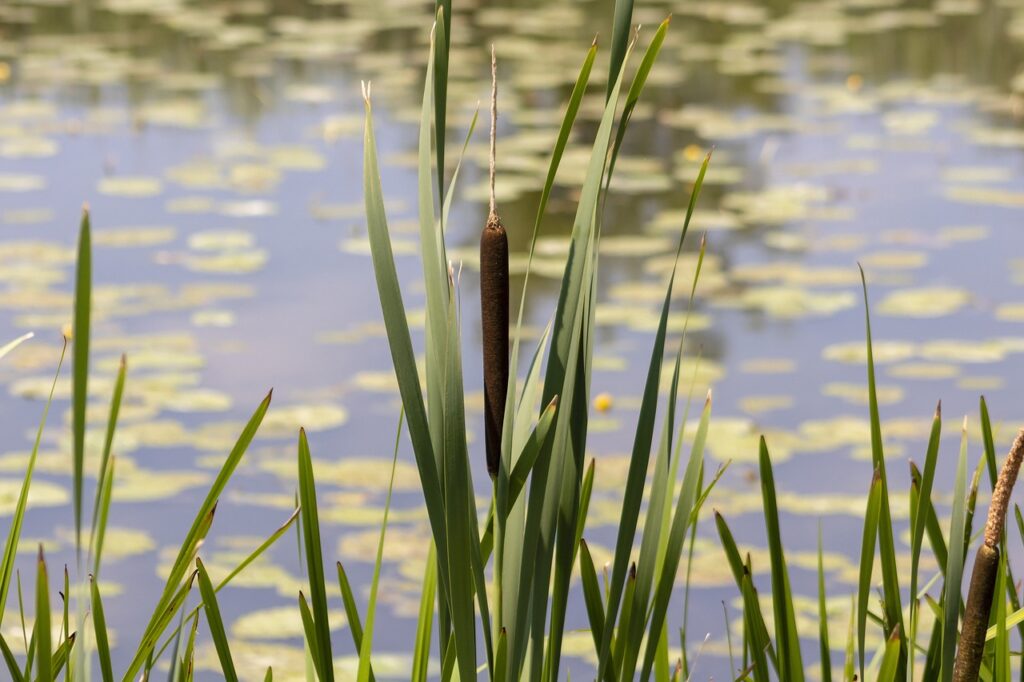
Aquatic and shoreline vegetation is equally important. Plants growing in the water help absorb excess nutrients, cool the water, and increase oxygen levels, creating ideal conditions for nymphs. Above the surface, plants provide essential spaces for resting, hunting, territory defense, and shelter from predators and weather.
Unfortunately, the decline of wetlands poses a serious threat to dragonflies. Remaining habitats are often affected by pollution, particularly from pesticides and agricultural runoff. As of 2021, about 16% of dragonfly and damselfly species worldwide were at risk of extinction, with pollution, habitat loss, and climate change being the primary threats.
Other Ways to Support Dragonflies
Protecting dragonflies starts with simple, practical actions:
- Avoid using pesticides and chemical fertilizers, which can contaminate freshwater systems
- Support and protect local wetlands through conservation efforts and responsible recreation
- Reduce your carbon footprint by using public transportation, composting, and conserving energy
- Choose organic products to support farms that maintain wildlife-friendly habitats
Conclusion: Why Dragonflies Matter
Dragonflies are more than just beautiful insects—they are essential to a balanced ecosystem. By controlling pests, supporting biodiversity, and indicating environmental health, they play a crucial role in both natural and agricultural landscapes.
By protecting wetlands and maintaining clean water sources, we can ensure that dragonflies continue to thrive—benefiting not only wildlife, but also humans and the planet as a whole.