Do Dragonflies Have Antennae?
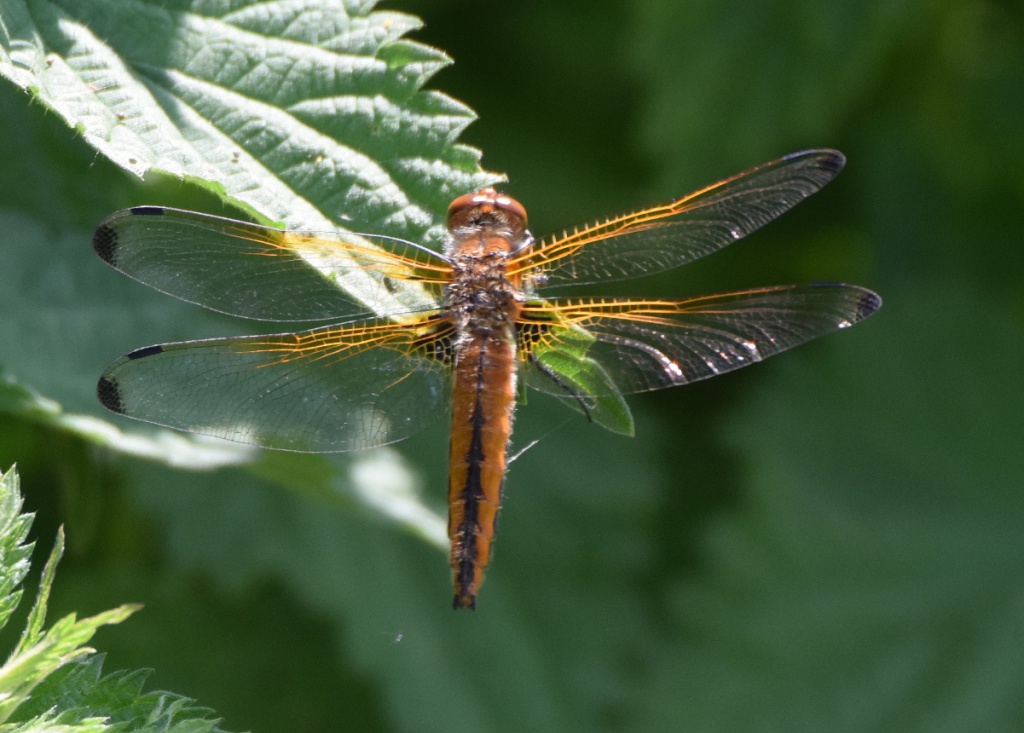
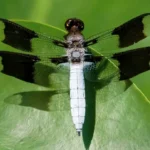
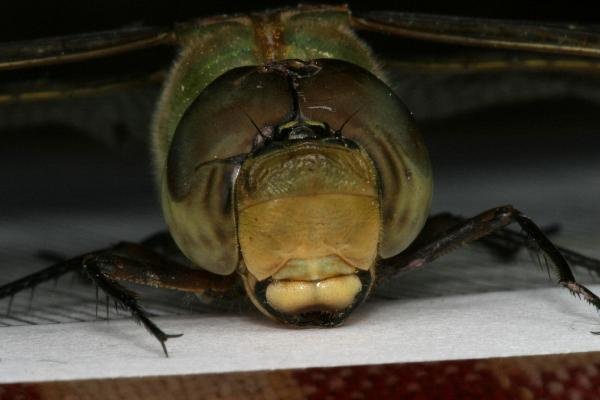
Yes. Adult dragonflies have one pair of very short antennae on the head. They are much less conspicuous than the antennae of butterflies, moths, beetles or many other insects. Their small size does not make them useless: they contain sensory structures that respond to mechanical and environmental cues.
Where Are a Dragonfly’s Antennae?
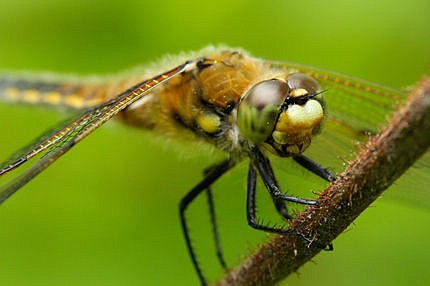
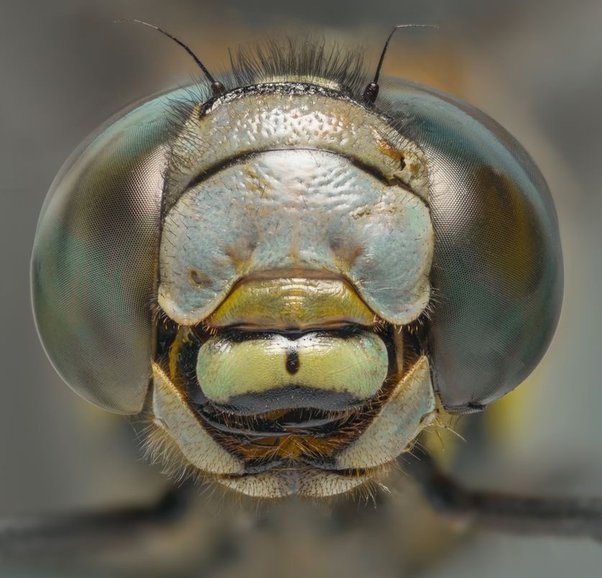
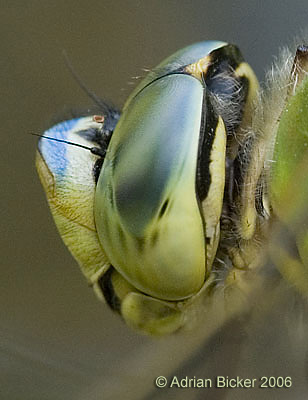
A dragonfly’s antennae arise from the upper front of the head, between and just in front of the compound eyes. Their bases sit near the central facial area and the three small simple eyes, called ocelli, but the antennae themselves are the thin, jointed projections extending outward or upward.
Dragonflies have two individual antennae, forming one pair—not two pairs. In biological English, antenna is singular and antennae is plural. “Feelers” is an informal word for antennae. “Antennas” is common when discussing radio equipment, although it is sometimes used informally for animal antennae.
Why Are They So Hard to See?
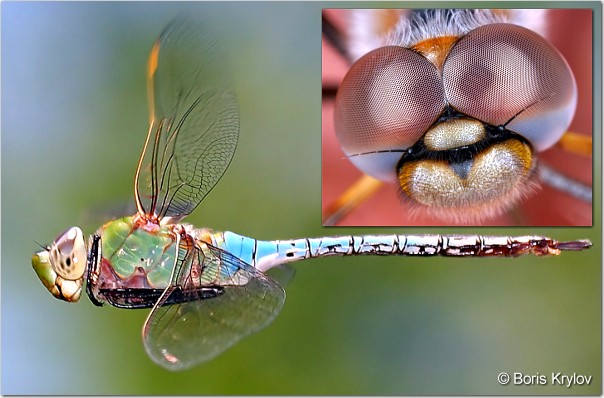
The compound eyes occupy most of an adult dragonfly’s broad head, while the antennae are short, narrow and often similar in color to the surrounding cuticle or hairs. A side view, an out-of-focus photograph or glare from the eyes can hide them completely. This visual imbalance is why people sometimes assume that dragonflies have no antennae.

What Do Dragonfly Antennae Do?
An antenna is covered with microscopic sensory structures called sensilla. Studies of adult dragonflies show that their short antennae can carry more than one type of sensory information. The importance of each signal may differ among species and situations.
Mechanical sensing
Touch, movement and air flowing past an antenna can deform sensory hairs or joints. This gives the nervous system mechanical information about the immediate environment.
Airflow and flight-related input
Antennal mechanoreception can contribute information relevant to airspeed and flight regulation. It is too strong, however, to say that antennae directly control the wings or act as the dragonfly’s only flight sensor.
Temperature and humidity
Electrophysiological work on adult Libellula depressa identified receptor neurons responding to dry air, moist air and cooling on the antennal flagellum.
Chemical sensing
Adult dragonfly antennae possess a limited number of olfactory sensilla. They can respond to airborne chemicals, although their olfactory system is less elaborate than that of many insects with large antennae.
Flight is controlled by the brain using combined information from the compound eyes, ocelli, antennae, wings and other mechanosensory structures. The antennae provide sensory input; they are not miniature joysticks or radar units.
Do Dragonflies Smell With Their Antennae?
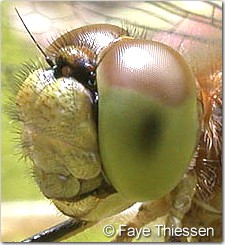
Yes, at least some adult dragonflies can detect airborne chemicals with antennal receptors. In the dragonfly Libellula depressa, electrical recordings showed that antennal neurons responded to several tested odor compounds. The researchers cautioned that a receptor response alone does not reveal how strongly smell guides behavior in the wild.
A separate behavioral study found that adult blue-tailed damselflies, Ischnura elegans, responded to prey odor. That is useful evidence that olfaction occurs within Odonata, but it should not be presented as proof that every dragonfly species uses scent in exactly the same way. The accurate conclusion is that dragonflies are not completely without smell, while vision remains especially important to adult hunting.
Do Dragonflies Rely More on Eyes or Antennae?
Adult dragonflies are strongly visual predators. Their large compound eyes detect moving insects and help guide interception flights. Yet “mainly visual” does not mean “visual only.” Antennal signals about airflow, contact, temperature, humidity and chemicals add information that eyes cannot provide.
For more detail, see how dragonfly eyes work and how dragonfly flight speed is measured.
Do Dragonfly Nymphs Have Antennae?
Yes. Aquatic dragonfly nymphs also have one pair of segmented antennae, but their structure and sensory equipment are not simply smaller copies of the adult organs. Research on Libellula depressa found marked differences between nymph and adult antennal sensilla, consistent with detecting cues in water rather than air.
Nymph antennae vary among families and habitats. In some bottom-dwelling species, antennae, body hairs and legs help detect nearby prey where vision is limited; other nymphs hunt more visually. See the dragonfly larvae guide for the aquatic stage.
Dragonfly vs. Damselfly Antennae
Adult dragonflies and damselflies both have one pair of relatively short antennae. Fine details of length, segment shape and sensory structures vary across Odonata, so the antennae should not be treated as identical in every species.
They are also not the easiest field mark. Body build, eye position, wing shape and resting posture are usually more useful; compare them in the dragonfly identification guide.
Dragonfly vs. Butterfly Antennae
Butterfly antennae are usually much longer, conspicuous and club-tipped. They play prominent roles in touch, scent detection and orientation. Dragonfly antennae are much shorter and less obvious, with relatively few olfactory sensilla documented in studied adults. Both are genuine sensory organs, but they differ greatly in size, form and sensory emphasis.
| Animal | Antenna appearance | How noticeable? | Main sensory role |
|---|---|---|---|
| Adult dragonfly | Very short, usually bristle-like | Easy to overlook beside the eyes | Mechanical, airflow-related, temperature, humidity and limited chemical sensing |
| Dragonfly nymph | Segmented; form varies by family and habitat | Often more apparent than in adults | Underwater mechanical and chemical cues; importance varies by species |
| Adult damselfly | Short and slender, with group-level variation | Usually inconspicuous | Multiple sensory cues; evidence must be assigned to the species studied |
| Butterfly | Longer and usually club-tipped | Very noticeable | Touch, scent detection and orientation |
Frequently Asked Questions
How many antennae does a dragonfly have?
It has two antennae—one left and one right—forming a single pair.
Are dragonfly antennae the same as feelers?
Yes. “Feelers” is an informal name for antennae, although antennae sense more than physical touch.
Can a dragonfly lose an antenna?
An antenna can be damaged, but the consequences depend on the extent of the injury and are not well described for every species. Avoid handling dragonflies by the head or antennae.
Do the antennae directly control flight?
No. They send sensory signals to the nervous system. Flight control integrates those signals with vision and feedback from the wings and body.
Why do some photographs seem to show no antennae?
The antennae may blend into the background, lie outside the focus plane or be hidden by the viewing angle and the much larger compound eyes.
Continue Exploring
Sources and Further Reading
- Rebora et al. (2012), “Olfaction in dragonflies: electrophysiological evidence.”
- Piersanti et al. (2011), thermo- and hygro-sensitive receptor neurons in adult Libellula depressa.
- Piersanti et al. (2020), antennal sensilla and sensory pathways in dragonfly nymphs.
- Piersanti et al. (2014), behavioral evidence of olfaction in the damselfly Ischnura elegans.
- British Dragonfly Society, life cycle and larval biology.
- Smithsonian Gardens, butterfly anatomy and antennae.