Why Do Dragonflies Land on People?
A dragonfly landing on you can feel deliberate, especially when it returns more than once. The safest interpretation is simpler: you have briefly become part of its environment. Landing, hovering, returning, colliding, and remaining motionless are different behaviors and should not be treated as one event.
Why Do Dragonflies Land on People?
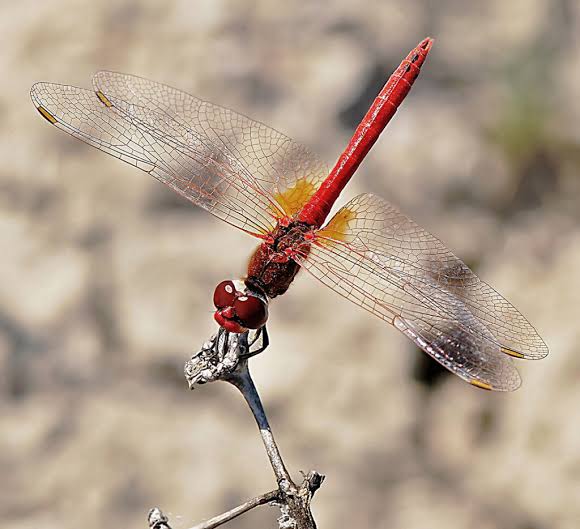
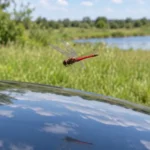
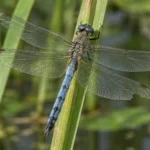
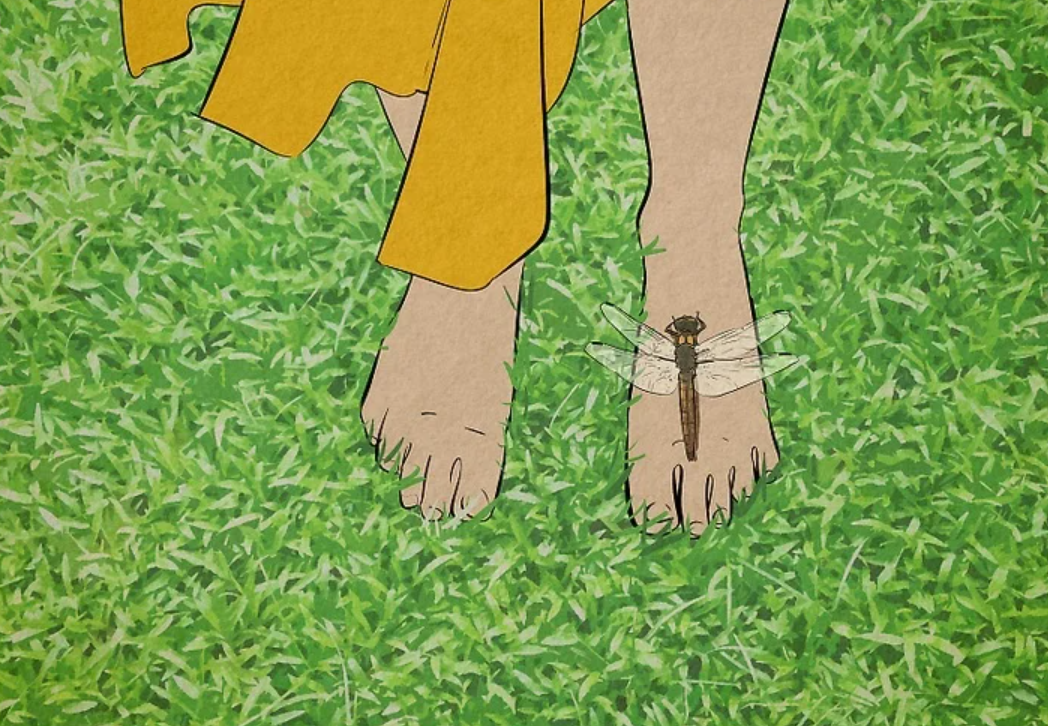
Many adult dragonflies regularly perch on stems, twigs, reeds, and other exposed structures. Some species—especially many skimmers—use a perch-and-wait strategy: they watch for flying prey, launch to intercept it, and may return to a perch afterward. Studies document perching dragonflies using rod-like natural and artificial structures, while flight research shows their reliance on vision to track small moving targets.1, 2
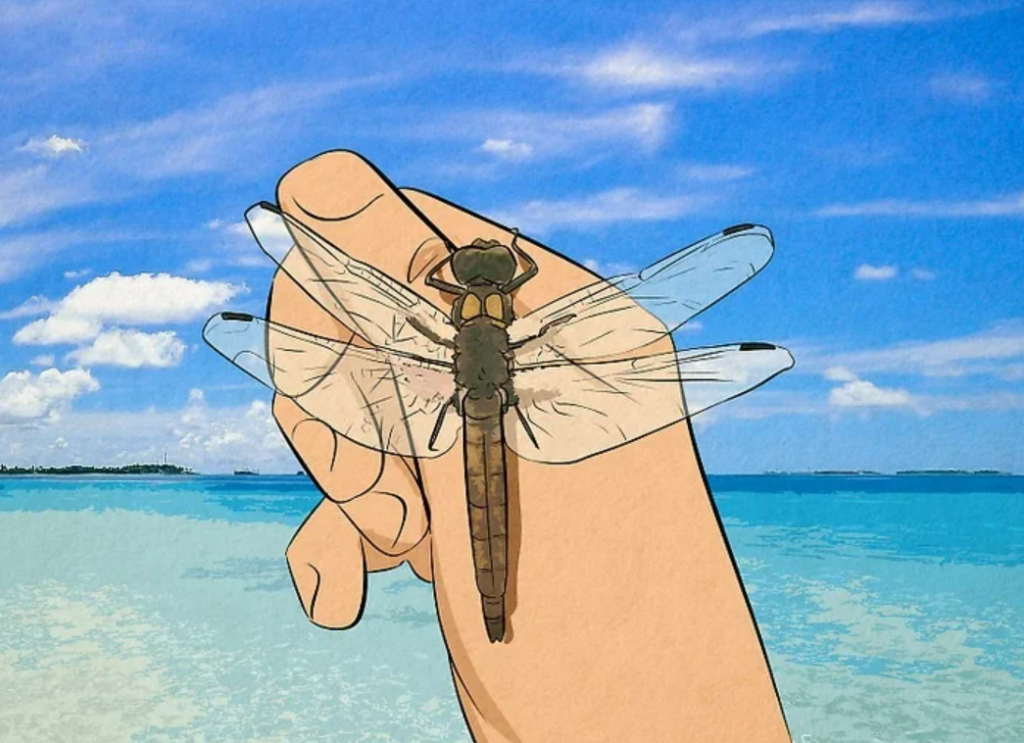
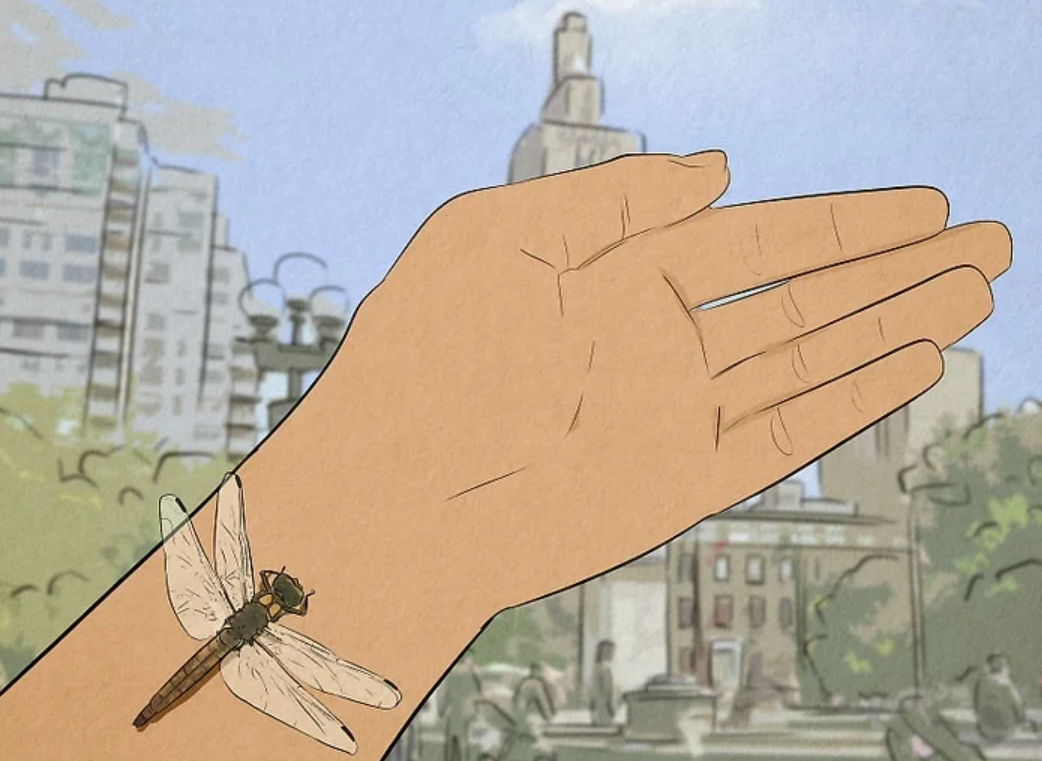
An outstretched finger is narrow, stable, elevated, and exposed to open air. Functionally, it can serve as a usable perch. That does not prove the dragonfly literally mistakes your finger for a twig; it means the shape offers several of the same practical features.
First, Identify What Actually Happened
| What you observed | What it may indicate | What it does not prove |
|---|---|---|
| A brief landing on skin or clothing | A temporary perch or short pause | Special attraction to you personally |
| Hovering near your face or body | Visual assessment, nearby prey, or ordinary flight behavior | An attempt to attack or communicate |
| Repeated returns to the same spot | A useful perch, hunting route, landmark, or defended area | Recognition of your intentions or personality |
| A quick bump followed by immediate flight | An accidental contact or misjudged approach | A purposeful landing |
| Remaining still for an unusually long time | Cool conditions, recent emergence, injury, weakness, or ordinary inactivity | That it is tame or wants to be handled |
The Most Likely Explanations
A Convenient Temporary Perch
A finger, shoulder, hat, sleeve, or shoe may offer a stable stop. Dragonflies commonly use exposed vegetation to survey an area or wait for prey.
A Lookout for Hunting
Perching species can launch when a small insect passes. The dragonfly may be using the position rather than showing interest in the person beneath it.
Small Flying Insects Nearby
Adult dragonflies eat midges, flies, mosquitoes, and other airborne insects. If such insects are around you, prey may explain the approach. Do not assume it is specifically hunting mosquitoes.3
A Brief Visual Assessment
Dragonflies are highly visual predators. Experiments show that they orient their head and body to keep prey in a high-acuity part of the visual field. A close approach can look focused without being social attention.4
Are Dragonflies Attracted to Specific People?
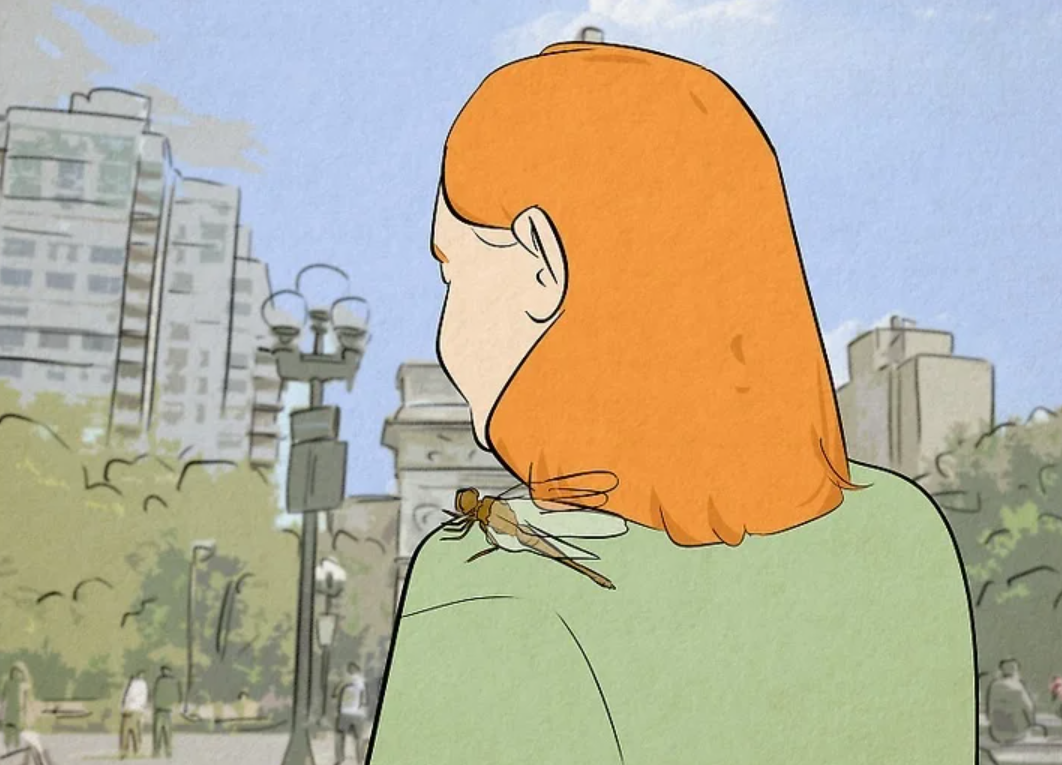
There is no established evidence that dragonflies routinely select people because of a particular clothing color, personal scent, body warmth, calm personality, or spiritual energy. Those ideas may arise from memorable personal observations, but they should not be presented as demonstrated dragonfly behavior.
There is a narrower biological possibility: people sometimes have small flies or other insects around them, and dragonflies hunt flying insects. The British Dragonfly Society notes a similar historical misunderstanding around horses—dragonflies seen near horses were feeding on flies attracted to the animals, not stinging the horses.5 That example supports prey-based proximity as a possibility, not a guarantee that every dragonfly near a person is hunting.
Why Does a Dragonfly Hover Around You?
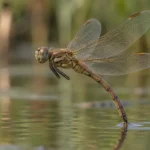
Hovering is different from landing. A dragonfly near your face may be tracking a small insect that you cannot easily see, inspecting movement in its visual field, patrolling a familiar route, or maneuvering around a territory. Some dragonflies are active patrol hunters rather than perch-and-wait hunters, so not every close flight ends in a landing.
A repeated hover is also not necessarily aggression. Dragonflies may fly toward other dragonflies in territorial or reproductive contexts, but humans are not normal rivals or mates. Their precise flight control can make an ordinary inspection or interception path appear intentional from our perspective.
Why Might It Keep Coming Back?
Returning to the same finger, chair, fence post, or patch of air may indicate that the location is useful. It could provide a favorable view, sit along a prey flight path, or lie within an area the dragonfly is patrolling. The repeated target may therefore be the place rather than the person.
If the dragonfly repeatedly lands only while you remain very still, movement is an obvious difference between you and the surrounding people. That observation is reasonable; claiming that the insect recognizes calmness, kindness, or intent is not.
Is a Dragonfly Landing on You Dangerous?
Usually, no. Dragonflies do not have stingers and do not normally attack people. Their jaws are adapted for insect prey. A large individual may try to bite defensively if trapped or handled roughly, another reason to leave it alone.3, 5 For a focused explanation, see Do Dragonflies Bite or Sting?
What Should You Do?
- Stay still if you are comfortable and allow the dragonfly to leave on its own.
- Do not swat at it or pinch, pull, or hold its wings.
- If you need it to move, slowly change your position rather than grabbing it.
- Keep pets and curious hands away from a dragonfly that is resting low to the ground.
- If it remains motionless for a long period, consider the conditions. Cool weather can reduce activity, while a newly emerged, injured, or weakened dragonfly may also be slow to fly. Unless it is in immediate danger, minimal interference is usually best.5, 7
To learn more about what the insect may be hunting, visit the dragonfly diet guide. For general biology and behavior, see dragonfly facts. If you photographed the visitor, the dragonfly identification guide can help you examine its shape and markings without guessing a species from the landing behavior alone.
Does It Have a Spiritual Meaning?
Scientific and symbolic explanations answer different questions. In modern spiritual writing and personal belief, a dragonfly landing on someone may be interpreted as transformation, good luck, emotional change, or a message from a loved one. These interpretations vary among cultures and individuals, and they are not conclusions that biology can test or confirm.
You can value the encounter personally while keeping the distinction clear: symbolism describes meaning that people assign to the event; entomology examines the insect’s behavior. The broader dragonfly meaning and symbolism guide discusses those interpretations separately from biological claims.
FAQ
Why do dragonflies land on people?
A person may provide a temporary perch, a useful lookout point, or a position close to small flying prey. One landing usually does not reveal a single definite cause.
Why do dragonflies land on your finger?
A finger is narrow, elevated, and stable, making it functionally similar to other exposed perches. That does not prove the dragonfly mistakes it for a branch.
What does it mean when a dragonfly lands on you?
Biologically, it most often means that the dragonfly briefly used you as part of its surroundings. Symbolic meanings such as change or good luck are matters of culture or personal belief.
Why does a dragonfly hover around me?
It may be tracking nearby prey, visually assessing movement, patrolling, or simply maneuvering through the area. Hovering does not by itself indicate aggression.
Why does the same dragonfly keep coming back?
The location may offer a favored perch, landmark, hunting route, or territory. Repeated returns do not demonstrate that the insect recognizes you personally.
Should I help a dragonfly that will not fly away?
First, avoid handling it. Cool temperatures, recent emergence, injury, or weakness can reduce flight activity. Leave it undisturbed unless it faces an immediate hazard.
Sources and Further Reading
- Yoshioka et al. Camera-trapping estimates of perching dragonflies
- Olberg et al. Prey pursuit and interception in dragonflies
- Natural History Museum: Dragonflies—The Ultimate Hunters
- Olberg et al. Eye movements and target fixation during prey interception
- British Dragonfly Society: Frequently Asked Questions
- University of Florida IFAS Extension: Dragonflies
- May. Body temperature regulation in a late-season dragonfly