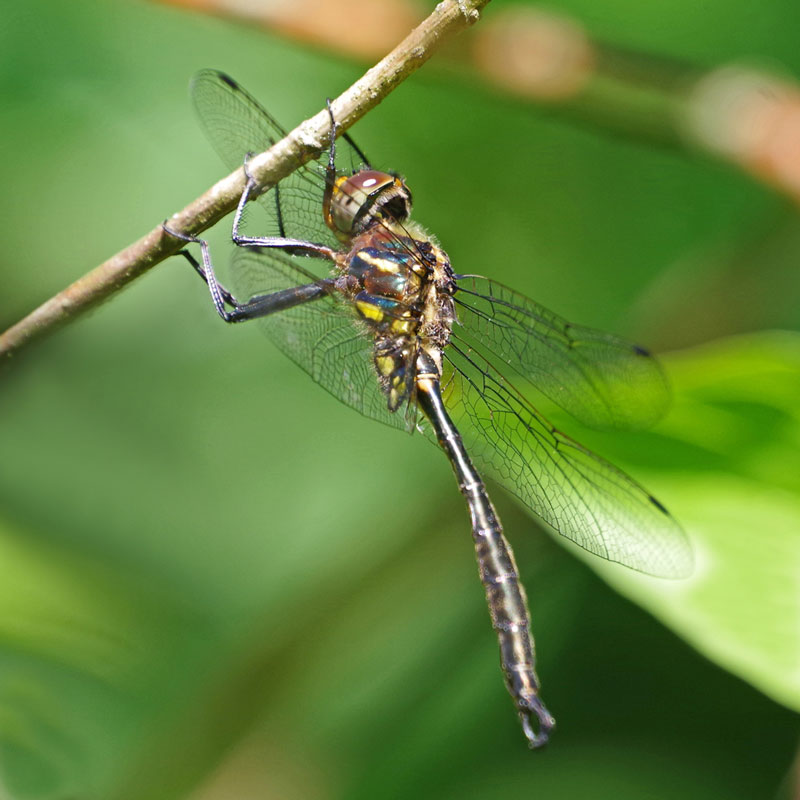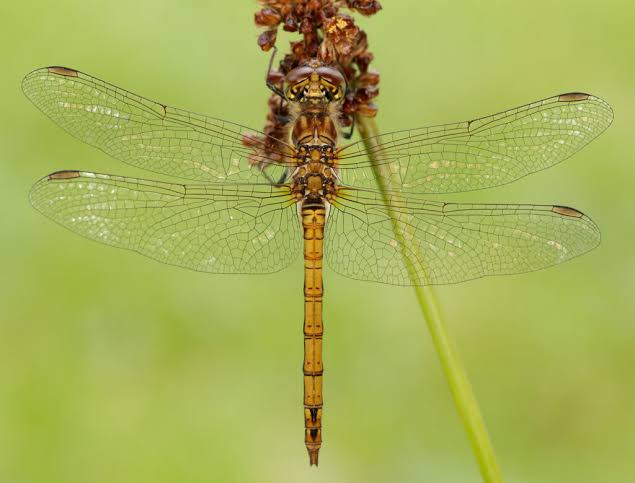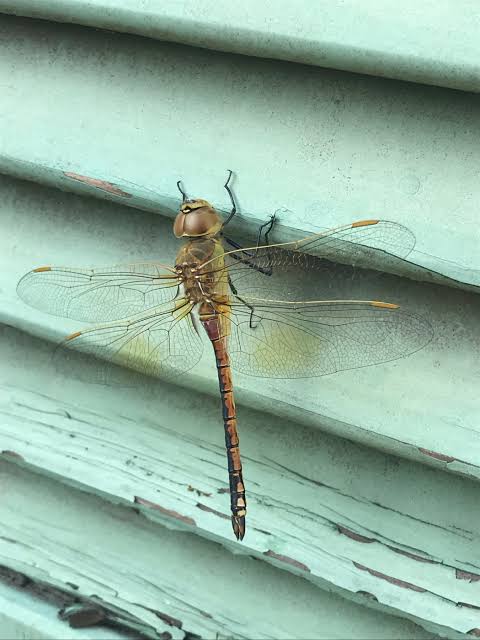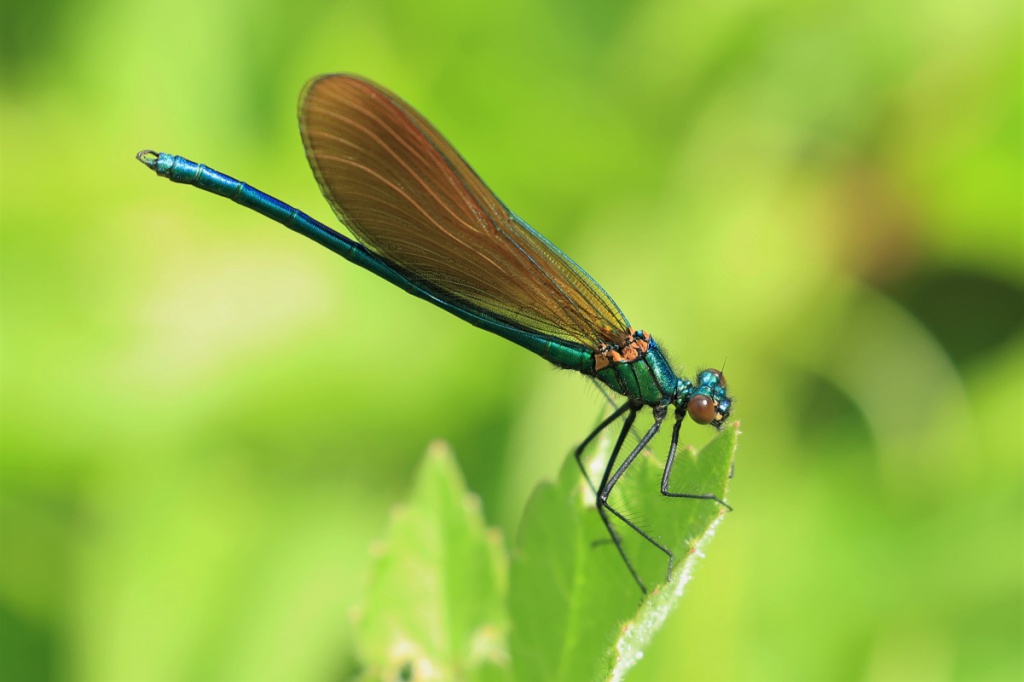
If you have ever walked past a pond on a warm summer day and suddenly noticed flashes of blue, red, green, or bronze darting over the water, you have probably wondered: when are dragonflies most active?
The simple answer is: dragonflies are usually most active on warm, sunny days, especially from late morning to early afternoon. But like many things in nature, the full answer is more interesting. Their activity depends on temperature, sunlight, wind, season, breeding behavior, and even where they are in their life cycle.
Dragonflies are not random little helicopters of the insect world. They are highly skilled predators, powerful flyers, and surprisingly sensitive to weather conditions. Once you understand what they need, you can predict when and where you are most likely to see them.
When Are Dragonflies Most Active During the Day?
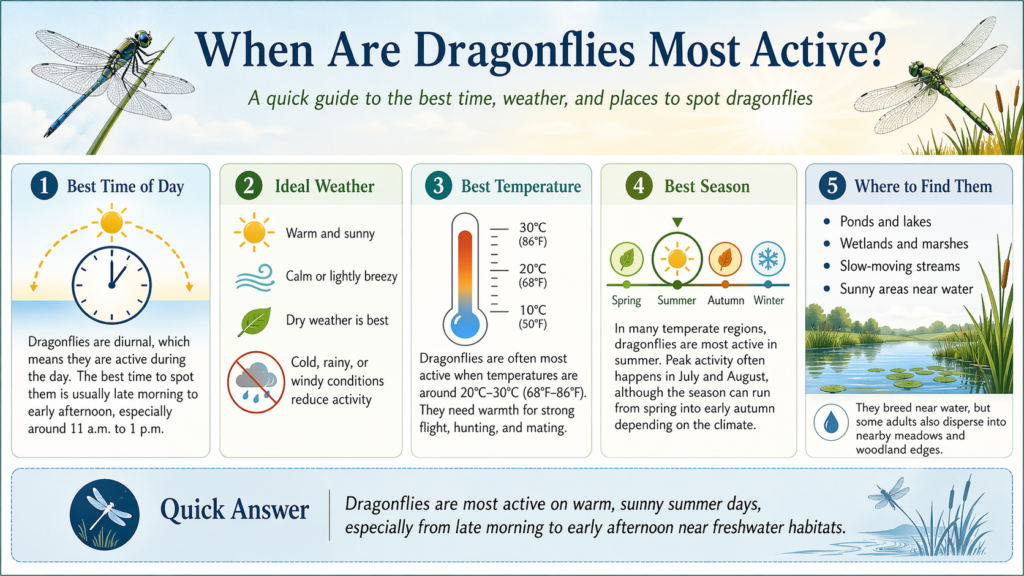
Dragonflies are diurnal insects, which means they are active during the day rather than at night. In most places, the best time to see them is:
Late morning to early afternoon, roughly 11 a.m. to 1 p.m.
This is when the air has usually warmed up enough for them to fly strongly, hunt, defend territory, and look for mates.
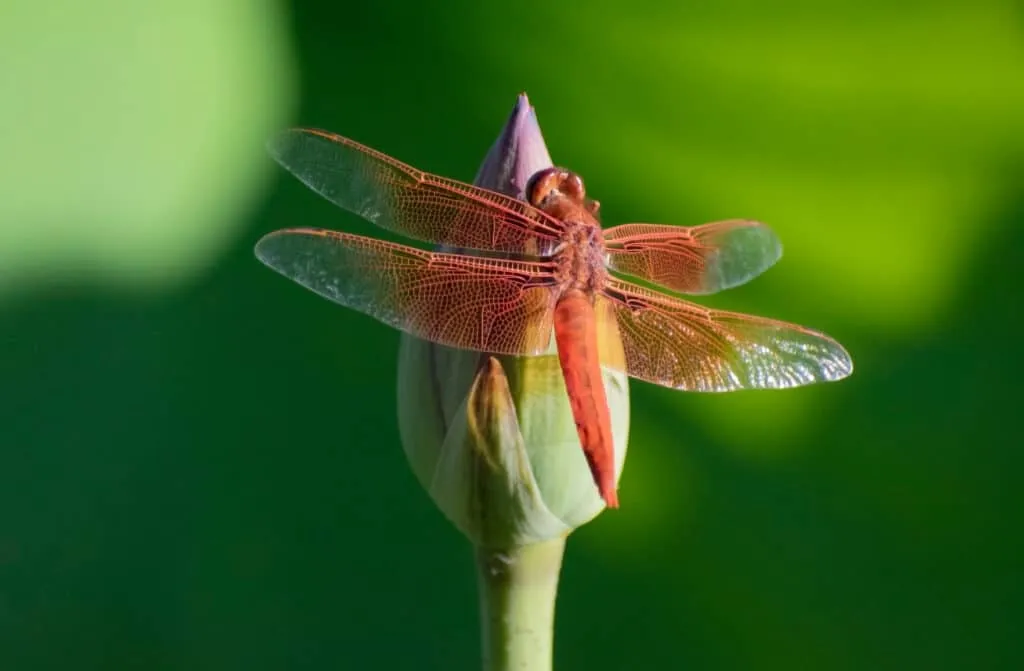
Dragonflies rely on warmth to become active. They are cold-blooded, so they cannot generate body heat the same way mammals do. On cool mornings, they may sit quietly on stems, reeds, rocks, or other sunny perches, waiting for their bodies to warm.
Once the temperature rises, they become much more energetic. That is when you see them patrolling ponds, hovering over reeds, chasing insects, or flying at impressive speed across open water.
Best Weather for Seeing Dragonflies
The best weather for spotting dragonflies is:
- Warm
- Sunny
- Calm or only lightly breezy
- Dry rather than rainy
- Bright enough for good visibility
Dragonflies are visual hunters. Their huge compound eyes help them detect movement and track prey in flight. Bright weather gives them the best conditions for hunting.
They are also excellent flyers, but that does not mean they enjoy bad weather. In cold, windy, or rainy conditions, dragonflies often hide in vegetation to conserve energy. You may still find them resting on reeds, shrubs, or tall grasses, but they are far less likely to be flying actively.
A warm sunny afternoon after several mild days can be especially good. Around ponds, wetlands, slow streams, lakes, and garden water features, dragonflies may suddenly seem to appear everywhere.
What Temperature Do Dragonflies Like?
Dragonflies are generally most active when temperatures are around:
20°C to 30°C / 68°F to 86°F
This range gives them enough warmth for strong flight without pushing them into extreme heat stress.
On cooler days, dragonflies may delay activity until the sun is stronger. On very hot days, some species may reduce activity during the harshest part of the afternoon and spend more time perching, especially if there is little shade or water nearby.
Temperature also affects their life cycle. Warmer water can help eggs and larvae develop faster, while cold conditions slow development. In some regions, eggs laid late in the season may not hatch until the following spring.
When Are Dragonflies Most Active During the Year?
In many temperate regions, dragonflies are most active in summer, when sunlight is stronger, temperatures are higher, and insect prey is abundant.
In the UK, for example, dragonfly season may begin as early as April and continue into October, depending on the weather. The peak period is often July and August, when many species are flying, breeding, and hunting at their highest activity levels.
In warmer climates, dragonflies may be active for a longer part of the year. In tropical areas, some species can be seen almost year-round, especially around permanent water sources.
In cooler regions, dragonfly activity has a clearer beginning and end. As temperatures rise in spring and early summer, adults begin emerging and flying. As autumn arrives, cooler air, shorter days, rain, and reduced food availability cause adult activity to decline.
Why Are Dragonflies More Common Near Water?
Dragonflies are often seen near ponds, lakes, wetlands, marshes, rivers, and slow-moving streams because water is central to their reproduction.
Adult dragonflies lay eggs in or near water. The eggs hatch into aquatic larvae, often called nymphs. These larvae live underwater, where they hunt small aquatic animals and go through multiple moults as they grow.
Depending on the species, this underwater stage may last a few months, one or two years, or even longer.
Eventually, the mature nymph crawls out of the water, attaches itself to vegetation or another surface, and transforms into a winged adult. This is why places with healthy freshwater habitats are often excellent dragonfly-watching sites.
However, not every dragonfly you see will be right beside water. Newly emerged adults may move into nearby woodland, grassland, gardens, or sheltered areas to feed and mature before returning to water to breed.
Why Do Dragonflies Love Sunny Perches?
Dragonflies often rest on reeds, twigs, stones, fences, shrubs, or waterside plants. This is not just laziness. Perching helps them regulate energy and body temperature.
On cool mornings, they may sit in the sun to warm up. During hunting periods, a perch also gives them a good lookout point. From there, they can spot passing insects, launch into the air, catch prey, and sometimes return to the same perch.
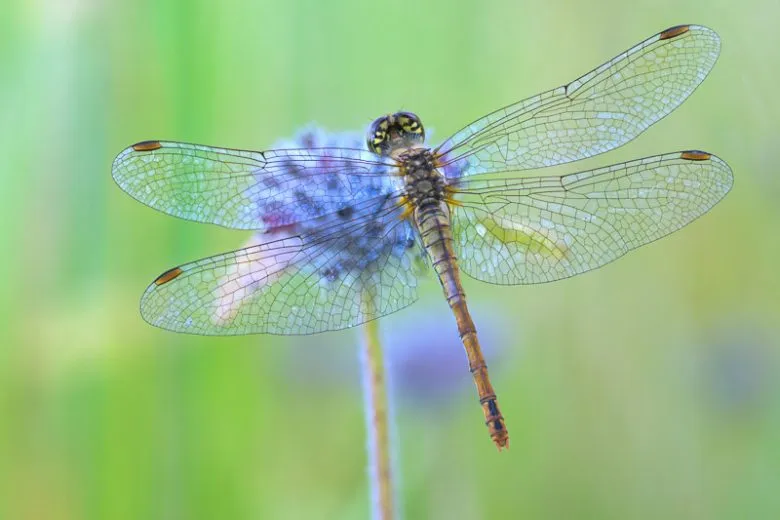
You may notice one dragonfly repeatedly using the same stem or branch. That often means the spot gives it a useful hunting view, warmth, or a good position near breeding territory.
Are Dragonflies Active at Night?
Dragonflies are generally not active at night.
They do not sleep in the human sense, and they do not have eyelids to close. But they do enter a resting state after sunset or during poor weather.
At night, dragonflies may rest among:
- Tall grasses
- Reeds
- Shrubs
- Tree branches
- Vegetation near water
- Rocks
- Fences or other manmade structures
Their goal is simple: stay hidden, conserve energy, and avoid predators until daylight and warmth return.
What Are Dragonflies Doing When They Are Most Active?
When dragonflies are flying actively, they are usually doing one of three things: hunting, defending territory, or breeding.
Hunting
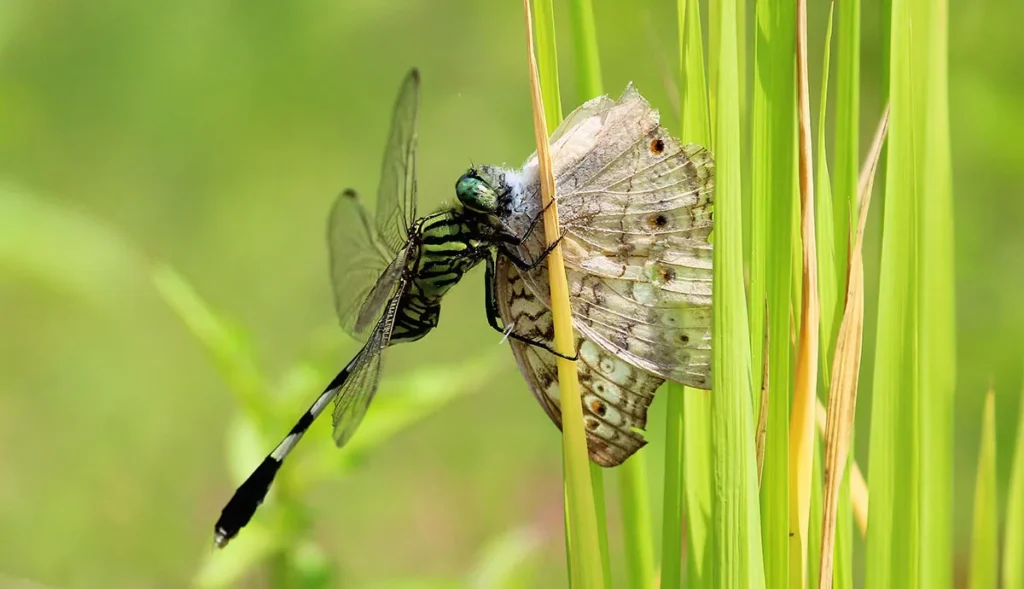
Dragonflies are among the most effective aerial predators in the insect world. They catch mosquitoes, flies, midges, butterflies, moths, and sometimes even smaller dragonflies.
Their flight is fast and precise. They can hover, accelerate quickly, turn sharply, and intercept prey in midair.
Defending Territory
Male dragonflies often defend breeding areas around ponds or water edges. They may patrol a stretch of water and chase away rival males.
This is one reason you may see dragonflies flying back and forth along the same route. They are not simply wandering. They may be guarding a prime breeding site.
Mating and Egg Laying
During the breeding season, males search for females near water. After mating, females lay eggs in aquatic plants, mud, or directly into the water, depending on the species.
This is why summer activity around ponds can be so intense. The adults are not only feeding; they are completing the most visible stage of their life cycle.
Best Places to Spot Dragonflies
The best places to see dragonflies are usually areas with freshwater and plenty of insects.
Good locations include:
- Ponds
- Lakes
- Wetlands
- Marshes
- Slow-moving rivers
- Streams
- Garden ponds
- Nature reserves
- Sunny woodland edges near water
- Meadows with nearby water sources
For the best results, visit on a warm sunny day and walk slowly around the water’s edge. Look for flashes of color, repeated flight paths, and dragonflies resting on tall stems.
Quick Guide: Best Time to See Dragonflies
Here is a simple field guide version:
Best time of day: Late morning to early afternoon
Best weather: Warm, sunny, calm or lightly breezy
Best temperature: Around 20°C to 30°C / 68°F to 86°F
Best season: Summer, often July and August in temperate regions
Best habitat: Ponds, wetlands, lakes, slow streams, and sunny areas near water
Worst conditions: Cold, rain, strong wind, heavy cloud, or late evening
Final Thoughts
So, when are dragonflies most active? Most dragonflies are at their liveliest during warm, sunny weather, especially from late morning through early afternoon. Summer is usually the best season, and freshwater habitats are the best places to look.
Once you know this, dragonfly watching becomes much easier. Instead of searching randomly, choose a bright warm day, head to a pond or wetland, and give your eyes a few minutes to adjust. What first looks like empty air may soon become a busy aerial world of hunters, territories, courtship, and flashes of color.
Dragonflies may be small, but when the conditions are right, they turn the edge of a pond into one of nature’s most impressive flight shows.
FAQ
When are dragonflies most active?
Dragonflies are most active during warm, sunny parts of the day, usually from late morning to early afternoon. Around 11 a.m. to 1 p.m. is often a good time to see them flying, hunting, and defending territory.
What time of day is best to see dragonflies?
The best time of day to see dragonflies is usually late morning through early afternoon, after the air has warmed up. They are less active early in the morning, at night, or during cold and rainy weather.
What weather do dragonflies like?
Dragonflies prefer warm, sunny, and fairly calm weather. They are much less active during cold, windy, rainy, or heavily overcast conditions.
Are dragonflies active in winter?
In many cooler regions, adult dragonflies are rarely seen in winter. Most activity happens in spring, summer, and early autumn. Their eggs or larvae may remain in the water through colder months, depending on the species.
Where is the best place to find dragonflies?
The best places to find dragonflies are near freshwater habitats such as ponds, lakes, wetlands, slow-moving rivers, streams, and garden ponds. Sunny edges with reeds, grasses, and aquatic plants are especially good.
Why do dragonflies fly near water?
Dragonflies fly near water because they breed there. Females lay eggs in or near water, and the young larvae live underwater before transforming into flying adults.
Do dragonflies sleep at night?
Dragonflies rest at night, although they do not sleep exactly like humans. They usually perch in vegetation, shrubs, trees, rocks, or manmade structures where they can stay safe until daylight returns.
What temperature is best for dragonfly activity?
Dragonflies are commonly most active when temperatures are around 20°C to 30°C / 68°F to 86°F. Warm conditions help them fly, hunt, and mate more effectively.